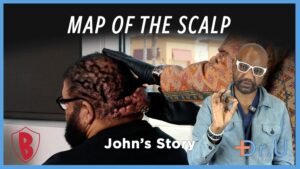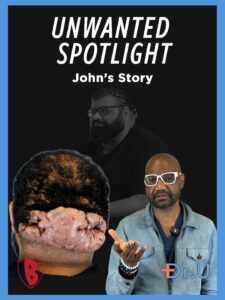

For many people, keloids feel like an inescapable curse. Topical creams, steroid injections, and even multiple surgeries may get rid of the keloid at first, but because of the nature of the skin lesion, the bumps return, again and again, often larger and more painful than before. It’s more than just a skin issue. It’s a cycle of frustration, discomfort, and feeling unseen. But the Dr. U Skin and Hair Clinic wants you to know that keloids do have a cure. Dr. Sanusi Umar is a globally recognized expert in keloid removal and scar revision, specializing in long-term solutions that prevent recurrence. He has helped countless patients through keloid removal surgery, restoring their hope for living without their chronic bumps.
What Causes Keloids?
Keloids form when the body produces too much collagen during wound healing. Instead of stopping once the skin is repaired, the healing process goes into overdrive, creating thick, raised scar tissue that continues to grow beyond the original injury. Dr. Umar has utilizes a root-cause approach when it comes to removing these bumps, which means he seeks out and treats the underlying cause to prevent recurrence.
Some factors that lead to keloid development are:
- Skin trauma and injury, like cuts or piercings
- Chronic inflammation
- Hormonal imbalances
- Genetic predispositions
- Improper wound healing and infections
A Last-Ditch Effort At Keloid Removal
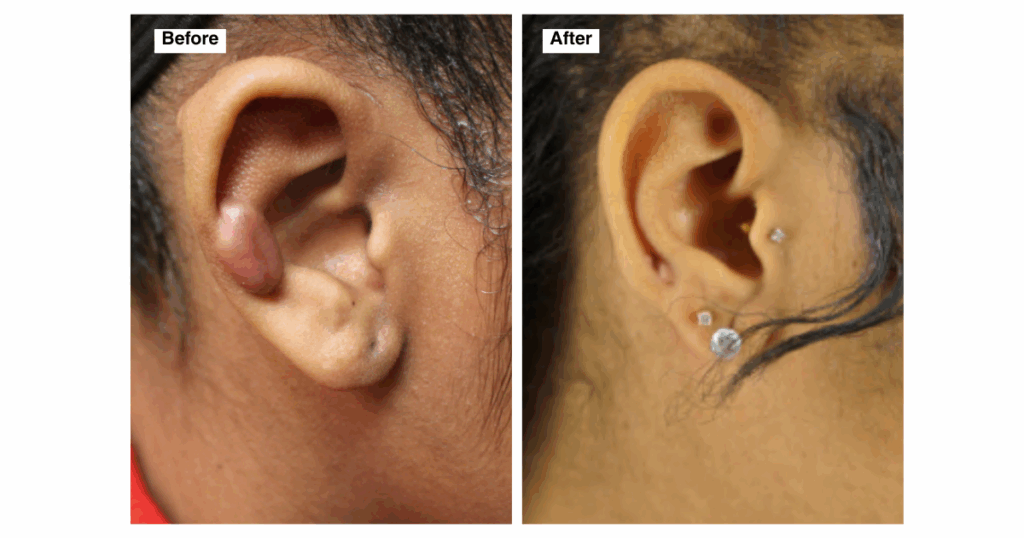
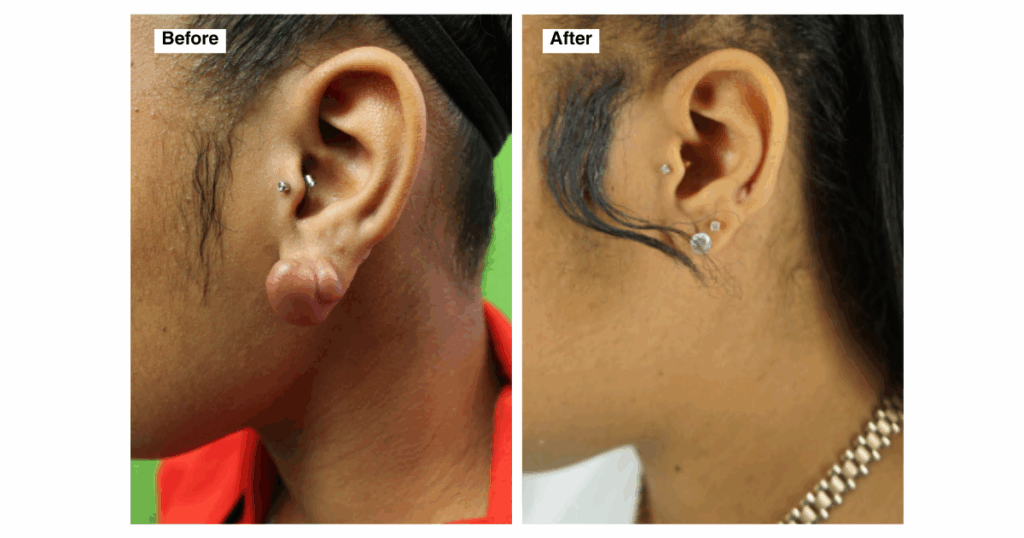
Our patient, Mandy*, developed keloids on her ears following ear piercings. The heavy bumps weighed down her ears and prevented her from wearing her jewelry, making her feel both uncomfortable and self-conscious. Although she had undergone surgery before, the keloids came back, and one had even torn, causing a split ear. Eventually, she sought help at the Dr. U Skin and Hair Clinic to finally remove her earlobe bumps, repair her split ear, and prevent them from coming back once and for all.
Dr. Sanusi Umar’s Approach To Removing Keloids
To remove keloids, Dr. Umar surgically excises them with precise techniques that minimize trauma, preserve healthy skin, and reduce the chance of recurrence. For large wounds, he uses his patented Athena Tension Suture Kit, a tool he invented to help facilitate wound closure while minimizing scarring and skin tearing. He also employs other treatments such as injectables, laser hair removal, and radiofrequency therapies that address the underlying cause of the keloid to prevent it from coming back. With Dr. Umar’s approach, there’s no one-size-fits-all cure that can get rid of steroids. Instead, he develops strategic, individual treatment plans for his patients so that they can live keloid-free.
From Scarred to Confident: Mandy’s Recovery
For Mandy, Dr. Umar surgically excised her keloids and repaired her split ear by creating a fresh wound at the earlobe and suturing them together, allowing the skin to heal while retaining the ear’s natural shape. The results were keloid-free ears that had minimal scarring, a natural shape, and no sign of recurrence. She was very happy and satisfied with her new look, and she can now wear her jewelry without having to worry about her keloids.
Finding The Right Keloid Removal Treatment For You
If you’ve been told there’s nothing more that can be done for your keloids, we’re here to tell you otherwise. At Dr. U Hair and Skin Clinic, we help patients reclaim their comfort, confidence, and skin health. To learn what keloid removal approach is right for you, fill out our free online consultation form to be personally reviewed by Dr. Umar.
*Name has been changed to protect our patient’s identity.
Individual results may vary. This story reflects one patient’s personal experience with earlobe keloids and treatment with Dr. Umar. Consult with a qualified physician for personalized advice.