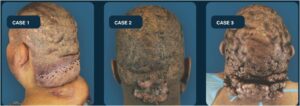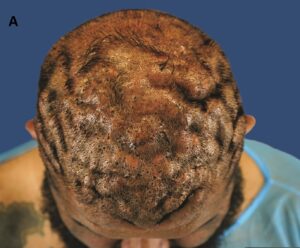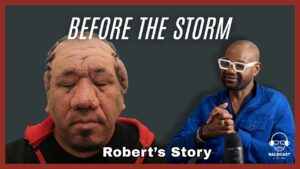

A public conversation about celebrity hair transplantation raises a broader clinical point: Afro-textured hair can be transplanted, but the surgeon must respect what happens beneath the skin and evaluate the scalp before surgery.
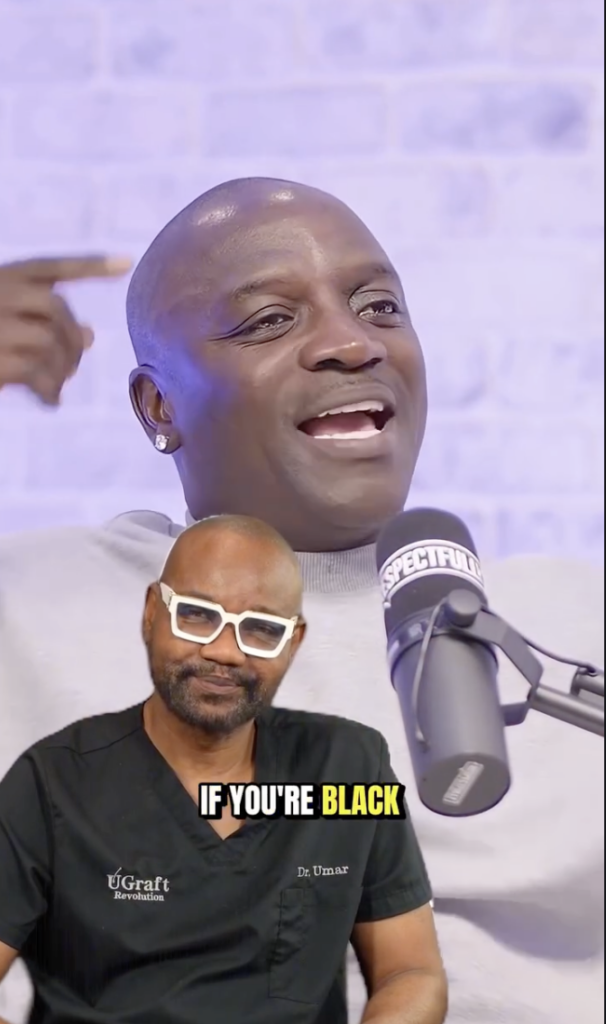
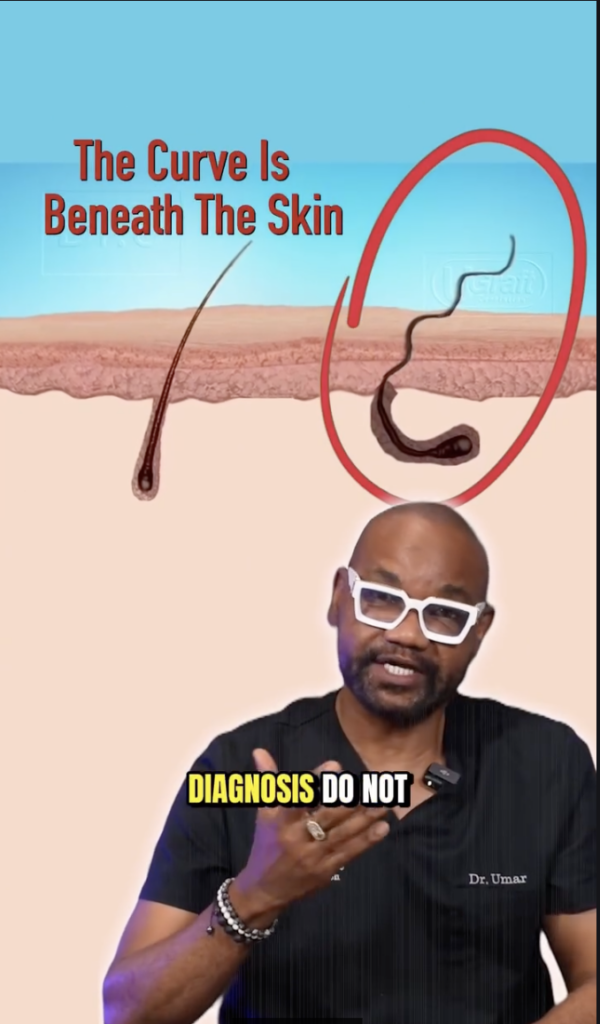
A hair transplant for curly hair begins with understanding that the visible curl is only part of the anatomy. “Curly African hair is not the problem,” Dr. Sanusi Umar explains in the short video. The challenge is whether the technology and diagnosis account for the biology of Afro-textured hair, including the curved path of the follicle beneath the skin.
Curved Follicles Change the Technical Challenge
Dr. Umar describes himself as a board-certified dermatologist and hair restoration surgeon and says he invented UGraft technology to address the challenge created by the curliness of Afro-textured hair beneath the skin. He also points to published work showing that follicular unit extraction, or FUE, can be performed in African hair with low graft injury.
That distinction matters because graft damage before implantation is one possible reason a transplant can underperform. The issue is not that curly hair cannot be transplanted. It is that the extraction approach must account for the follicle’s curved course below the scalp rather than treating every graft as if it follows the same path.
A Hair Transplant for Curly Hair Starts With Scalp Diagnosis
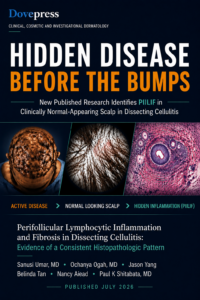
Technique is only one part of the equation. “Hair transplant starts with scalp diagnosis,” Dr. Umar says. In his PIILIF research, he reports that some people with patterned hair loss can have hidden inflammation and fibrosis around the follicles even when the scalp appears normal.
If those findings are missed, both medical treatment and surgery may underperform. That is why Dr. Umar frames successful care as a combination of the right diagnosis, the right technology, and the right surgeon. He also makes an important boundary clear: he did not examine the celebrity discussed in the public clip and is not diagnosing him. The example is being used for education.
The takeaway is straightforward. Afro-textured or tightly curled hair should not be treated as an excuse for transplant failure. A thoughtful plan respects the anatomy of the graft beneath the skin and the condition of the scalp before surgery begins.
Watch the Short Video
Watch Dr. Umar explain the technical and diagnostic considerations behind hair transplantation in Afro-textured hair: Watch on YouTube Shorts. You can also view the short on Instagram or TikTok.
Take the Next Step
Learn more about hair surgery for African American and Afro-textured hair: Dr. U Hair Surgery and UGraft Services.
Free ConsultationMedical disclaimer: This article is for educational purposes only and does not provide a diagnosis or individualized medical advice. A qualified clinician should evaluate your scalp, hair loss pattern, and treatment options before you make medical or surgical decisions.
Further Reading
- https://dru.com/african-american-curly-hair-ugraft-fue-u/
- Umar, S. et al. (no date) Follicular unit excision in patients of African descent: A… : Dermatologic surgery, LWW. Available at: https://journals.lww.com/dermatologicsurgery/Fulltext/9900/Follicular_Unit_Excision_in_Patients_of_African.456.aspx (Accessed: 03 August 2023).