


For John, living with acne keloidalis nuchae and cutis verticis gyrata has meant continuing to seek help. In this chapter of The Baldcast, Dr. Sanusi Umar reflects on a difficult reality: even caring physicians may be limited by the knowledge and treatments available to them.
When Doctors Have Reached the Limits of What They Know
Dr. Umar does not dismiss the physicians John encountered. Instead, he acknowledges their efforts and the medical information they had to work with. “The doctors did the best they could,” he says, explaining that their decisions were based on information available in the medical literature.
That distinction matters. A doctor can be committed to helping a patient and still face uncertainty about what can be offered. Dr. Umar asks viewers to consider how hard it may be for those physicians to see someone return for another appointment while knowing that their available options are limited.
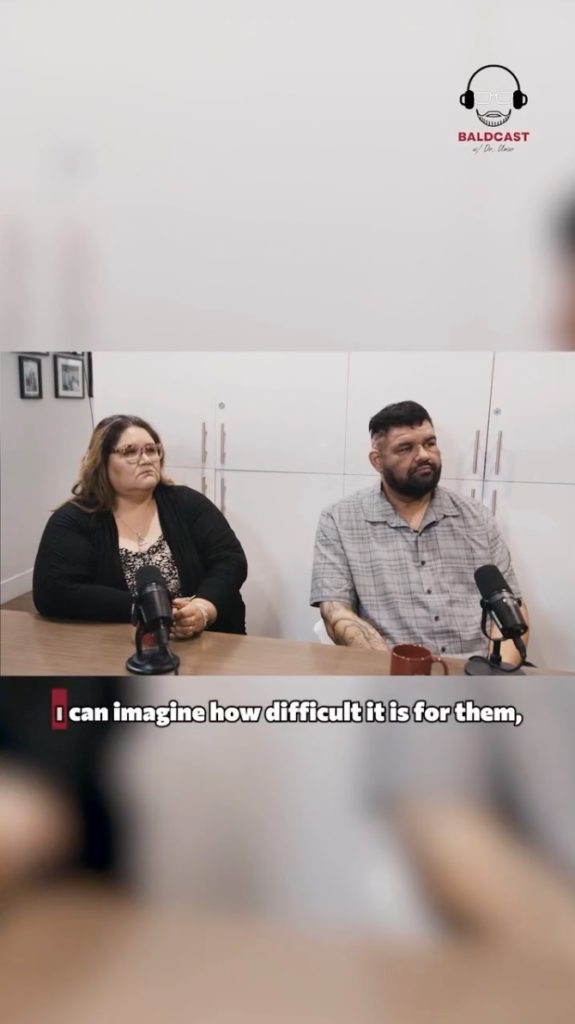
The Burden Is Not Shared Equally
Dr. Umar imagines the frustration a caring doctor might experience when an intervention feels unlikely to provide the help a patient needs. “So the pain probably cuts both sides,” he says. But he immediately makes an important distinction: the patient is the person who must live with the condition beyond the appointment.
Addressing John, Dr. Umar emphasizes that the impact on him is greater because he is “the one dealing with it.” The conversation does not present an easy answer or claim that a specific treatment has already solved John’s concerns. It makes space for the strain of repeatedly searching for care.
A Call to Find a Different Way
The chapter closes with Dr. Umar shifting from empathy to purpose. “So let’s find a different way to deal with these things to help our patients,” he says. His statement is a call to keep seeking better approaches, not a promise of a particular result.
For viewers wondering how to treat bumps on the back of the head, this short conversation offers a reminder that medical decisions require an individualized evaluation. Here, the focus is not a treatment demonstration. It is the need to recognize both the limitations physicians face and the lasting burden patients carry.
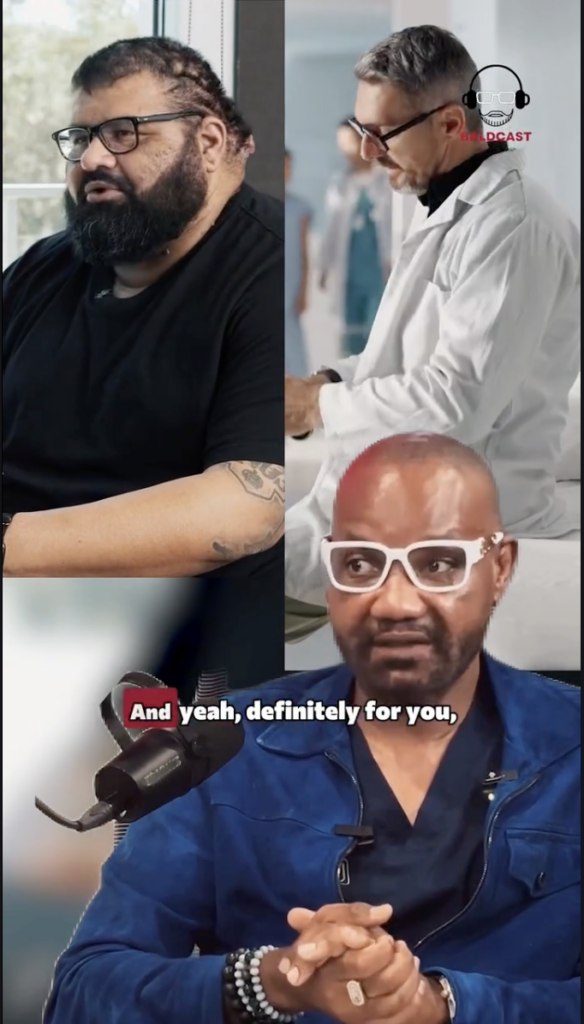
Watch the Chapter
Hear Dr. Umar’s reflections in the video:
Take the Next Step
Free Consultationhttps://dru.com/akn-treatment/
Medical Disclaimer
This article is for educational purposes only and does not provide individualized medical advice. Diagnosis and treatment options should be discussed with a qualified healthcare professional.
Further Reading
- https://dru.com/john-acne-keloidalis-nuchae-cheyenne-perspective/
- Umar S, Ogah O, Yang J, Tan BH, Aiead N, Shitabata PK. A Candidate Syndromic Triad of Acne Keloidalis Nuchae, Dissecting Cellulitis, and Secondary Cutis Verticis Gyrata. Clin Cosmet Investig Dermatol. 2026 Aug 28;19:615576. doi: 10.2147/CCID.S615576. PMID: 42683347; PMCID: PMC13532648. https://www.dovepress.com/a-candidate-syndromic-triad-of-acne-keloidalis-nuchae-dissecting-cellu-peer-reviewed-fulltext-article-CCID


