


Two patients can both have scarring hair loss and still need different plans. In this short video, Dr. Sanusi Umar answers a recurring question about the Two Marias and explains why their care involved more than a single product.
“What treatment did you actually use?” That question is the starting point for Dr. Sanusi Umar’s explanation of the Two Marias. Both were treated for different forms of scarring hair loss, and their care was individualized rather than reduced to one universal treatment. The supplied account describes medical management, ongoing scalp maintenance, and hair transplantation when appropriate for each case.
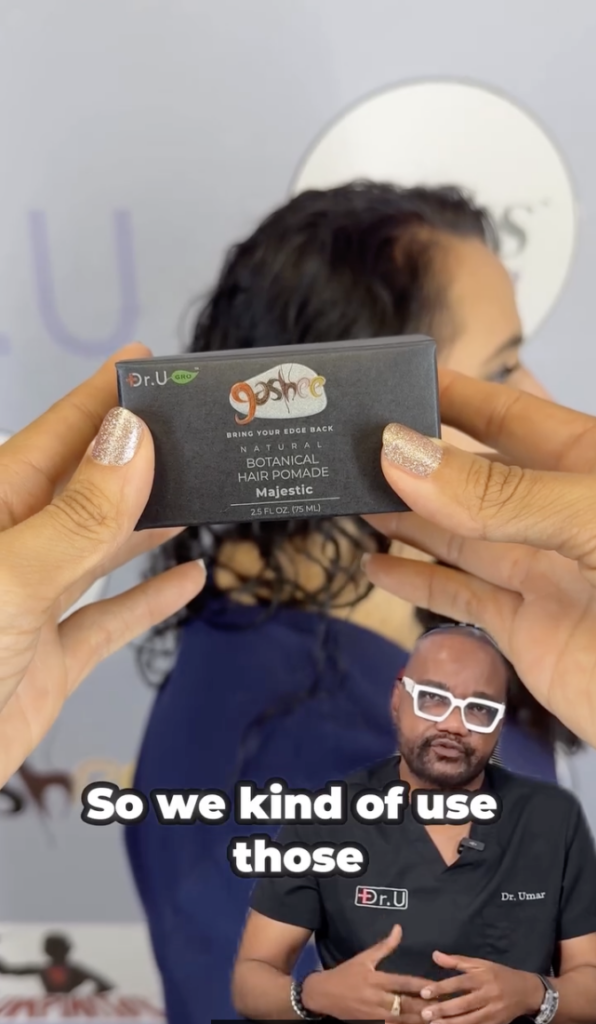
Scarring Alopecia Care Went Beyond One Product
In the video, Dr. Umar says the Two Marias used GaSHEE products, but he immediately places those products within a broader treatment plan. He explains that some treatments were used for a period of time and then tapered, while scalp maintenance continued with GaSHEE tools. The emphasis is on how the pieces of care were used together, not on presenting one product as the entire answer.
Treatment was not approached as one size fits all. The stated goals were long-term scalp health, careful evaluation, and a plan matched to each diagnosis. For anyone seeking a medical evaluation for hair loss, the central message of this short is that similar-looking hair loss does not automatically mean identical care.
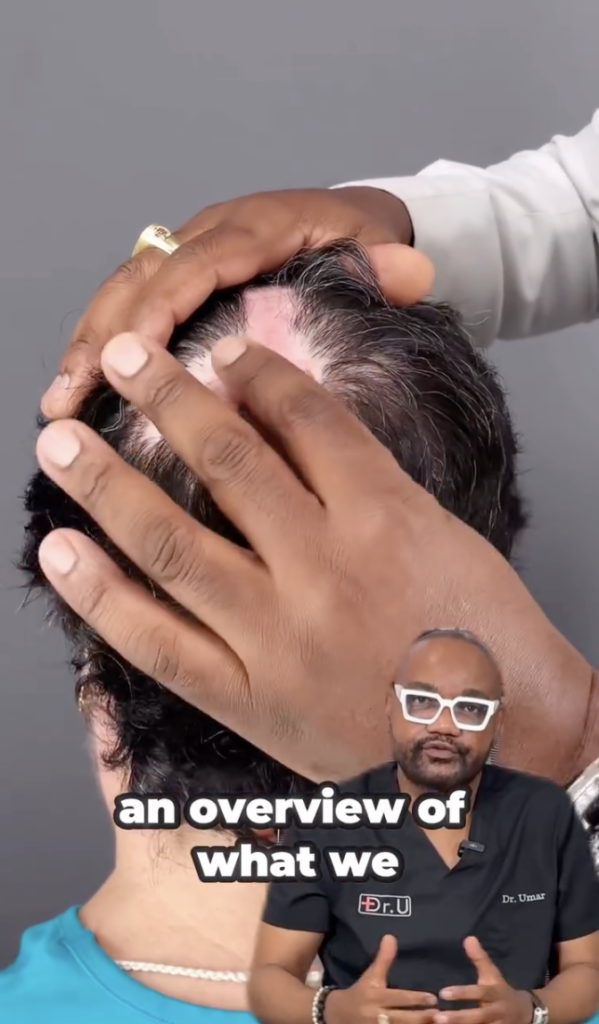
Hair Transplantation Was Part of the Individualized Plan
Dr. Umar also explains that both women underwent hair transplantation even though their conditions were different. In the case of Maria Landeros, he states that the transplant addressed the bald spot she had. The short does not present transplantation as an automatic step for every person with scarring alopecia. Instead, the accompanying caption specifies that transplantation was used when appropriate for the individual case.
Different Diagnoses Can Require Different Paths
The practical takeaway is not a formula. It is the need for individualized care. Scarring alopecia can appear similar from the outside, while the treatment path can differ from one patient to another. The Two Marias illustrate that distinction through plans that combined treatment, maintenance, and surgery according to their respective situations.
This is one patient experience, not medical advice. Results can vary, and treatment should be individualized.
Watch the Short Video
Watch Dr. Umar answer the treatment question: YouTube Shorts. You can also view the short on Instagram or TikTok.
Take the Next Step
View hair transplant patient results: Dr. U Hairline Transplant Results.
Free ConsultationMedical disclaimer: This article is for educational purposes only and does not provide a diagnosis or individualized medical advice. Results can vary. Treatment decisions should be based on an appropriate clinical evaluation and individualized medical guidance.
Further Reading
- https://dru.com/folliculitis-decalvans-maria-treatment-timeline/
- Umar S. and Carter M.A Multimodal Hair-Loss Treatment Strategy Using a New Topical Phytoactive Formulation, Case Reports in Dermatological Medicine / 2021
https://www.hindawi.com/journals/cridm/2021/6659943/


